Nutrition considerations for athletes with diabetes π
Your go-to guide for diabetic athletes.
Nutritional considerations for athletes with diabetes: optimizing performance and glycemic control
Study Details
This new review highlighted key nutritional requirements and strategies for diabetic athletes π
Here are the most important factors β¬οΈ
Key Findings
Carbohydrate Periodisation
π― Match fuel to training demands
π Adjust carbohydrate intake to exercise intensity
β° Pre-, intra-, and post-exercise
π Prevents hypoglycaemia and supports endurance
Glycaemic Index Awareness
π― Control postprandial glucose
π Prioritise low-to-moderate GI foods
β° 1β3 hours pre-exercise
π Reduces rapid glucose spikes
Pre-Exercise Snack
π― Prevent hypoglycaemia
π 15β30 g carbohydrates with protein
β° 30β60 minutes before exercise
π Adjust insulin as needed
Intra-Exercise Fueling
π― Maintain blood glucose
π 30β60 g carbohydrate per hour
β° During exercise >60 minutes
π Monitor glucose regularly
Post-Exercise Recovery
π― Replenish glycogen and repair muscle
π 1β1.2 g/kg carbohydrates + 0.3 g/kg protein
β° Within 30 minutes post-exercise
π Elevated insulin sensitivity post-exercise
Protein Intake
π― Support recovery and adaptation
π 1.6β2.0 g/kg/day
β° Evenly across meals
π Helps stabilise blood glucose
Fat Intake Quality
π― Optimise metabolic health
π Emphasise MUFAs and omega-3s
β° Throughout the day
π Supports cardiovascular health
Hydration and Electrolytes
π― Prevent dehydration and ketosis
π Fluids with sodium and electrolytes
β° Before, during, and after exercise
π Hyperglycaemia increases fluid loss
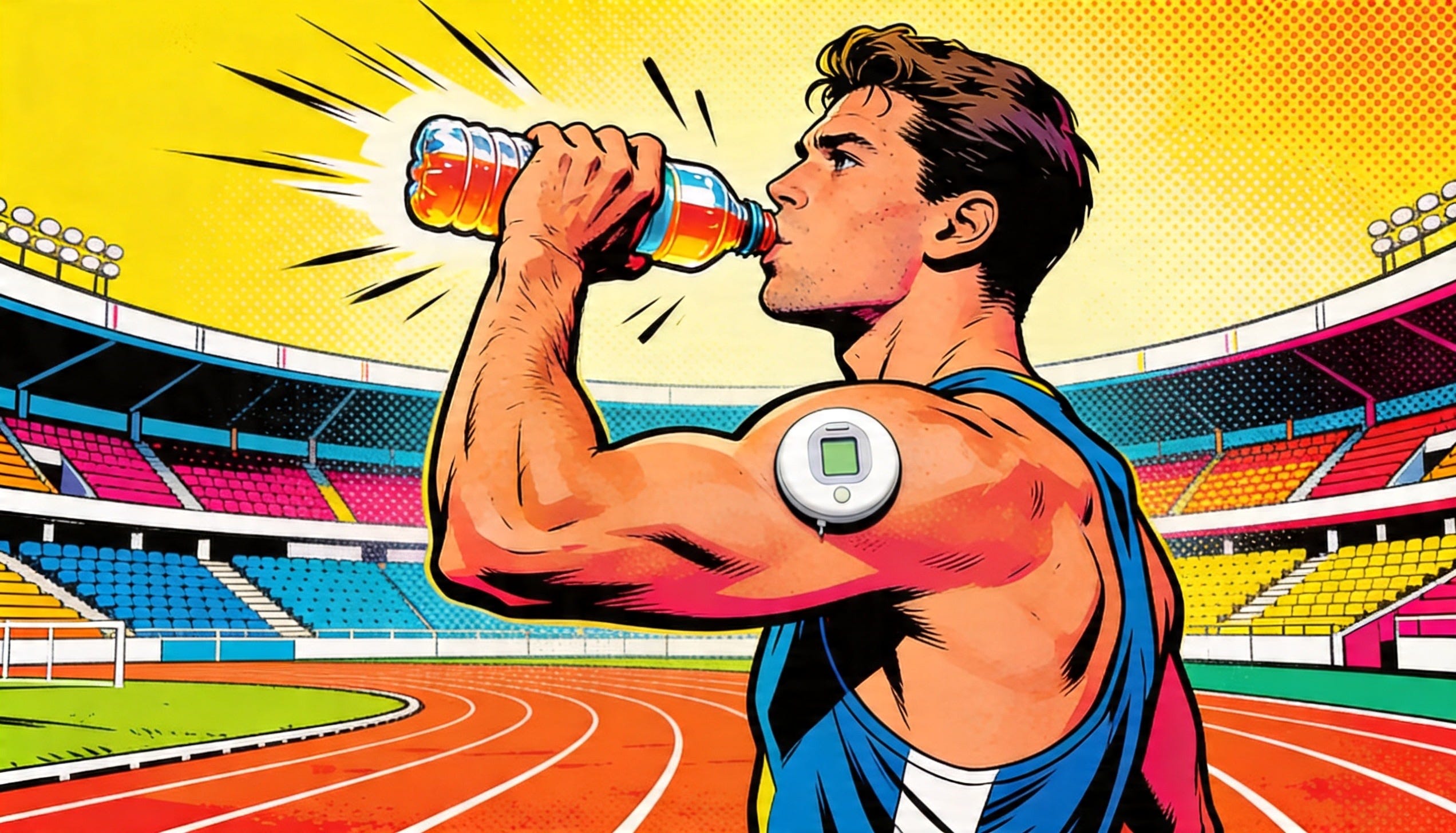
Continuous Glucose Monitoring (CGM)
π― Track glucose fluctuations
π Use CGM technology
β° Continuous monitoring
π Enables precise nutrition and insulin adjustments
Insulin Timing Adjustment
π― Prevent hypo- and hyperglycaemia
π Reduce bolus insulin before exercise
β° 30β60 minutes pre-exercise
π Coordinate with healthcare professionals
Carbohydrate Counting
π― Align insulin with intake
π Track carbohydrate content
β° At each meal and snack
π Enables flexible insulin dosing
Micronutrient Optimisation
π― Support metabolic function
π Ensure adequate Mg, Zn, Cr, and vitamin D
β° Through diet or supplementation
π Deficiencies impair insulin sensitivity
Fibre Intake
π― Stabilise glucose responses
π Include whole grains, legumes, and vegetables
β° With meals
π Slows glucose absorption
Avoiding Late-Night Hypoglycaemia
π― Prevent nocturnal hypoglycaemia
π Small carbohydrate and protein snack
β° Before sleep
π Adjust insulin accordingly
Caffeine Use
π― Enhance alertness and performance
π 3β6 mg/kg caffeine
β° 30β60 minutes pre-exercise
π May increase glucose variability
Alcohol Management
π― Prevent delayed hypoglycaemia
π Consume with carbohydrate-containing foods
β° Occasionally, post-exercise
π Monitor glucose overnight
Ketone Monitoring
π― Detect diabetic ketoacidosis risk
π Use blood or urine ketone tests
β° During illness or extreme exercise
π Essential for Type 1 diabetes
Meal Frequency
π― Maintain stable glucose levels
π 4β6 balanced meals daily
β° Distributed throughout the day
π Minimises glucose fluctuations
Individualised Nutrition Plan
π― Personalise performance nutrition
π Dietitian-guided strategy
β° Ongoing and adaptive
π Integrates training, insulin, and nutrition
Reference
https://pubmed.ncbi.nlm.nih.gov/41971384/
Performance Nutrition Digest is powered by Healthspan Elite β‘οΈ
Healthspan Elite is a science-led sports nutrition range developed in collaboration with leading experts to support athletic performance, recovery, and health.
Use code: TCDIGEST25 for 25% off at https://www.healthspanelite.co.uk/ πͺ