Rehab nutrition for tendon and ligament injuries🦵
Return-to-play strategies for athletes.
Rehabilitation Nutrition for Tendon and Ligament Injuries: From Collagen Remodeling to Return-to-Activity and Sport
Study Details
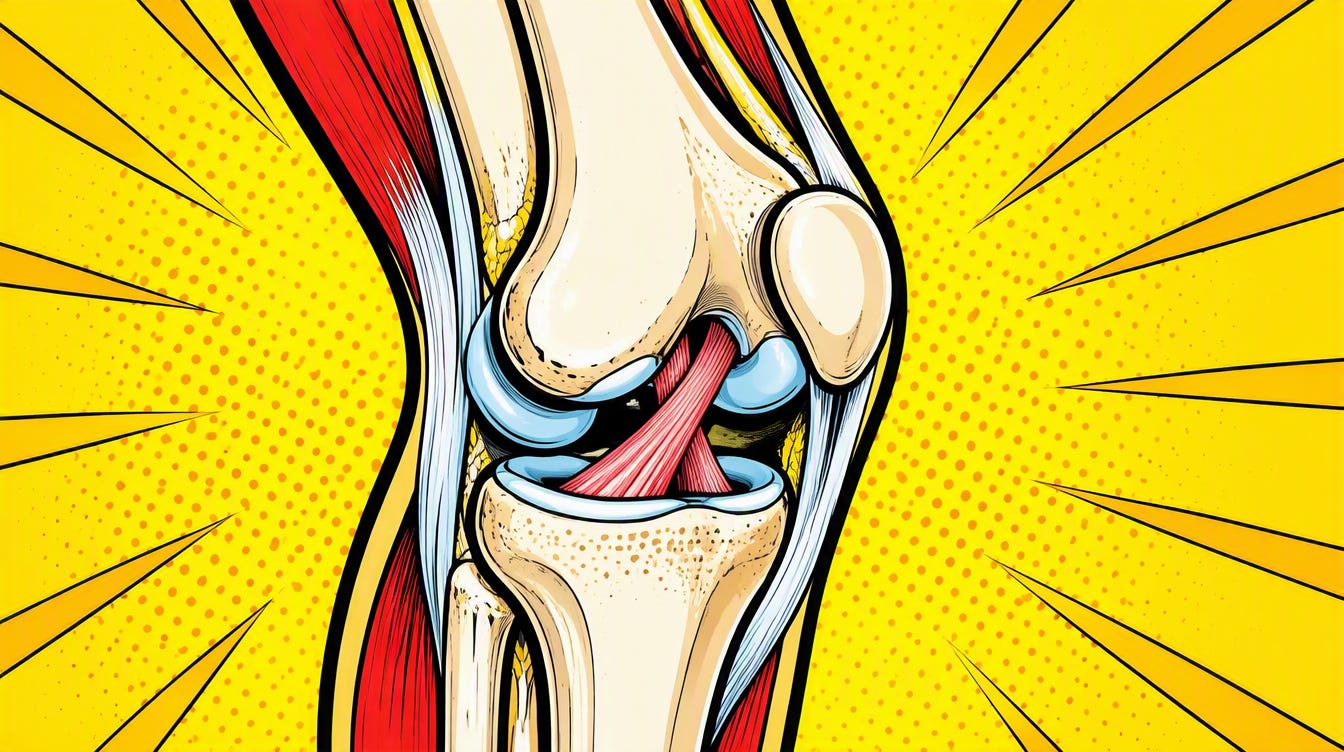
This new review paper summarised the available data on nutritional strategies to support connective tissue rehab and return-to-play after injury 🔍
Here are the key findings ⬇️
Key Findings
🦵 Progressive mechanical loading remains the primary driver of tendon and ligament recovery; nutrition should support, not replace, rehabilitation
Calorie Intake
🔥 Adequate energy availability is the first priority because tissue repair, collagen remodeling, immune function and rehabilitation loading all require energy
⚠️ Aggressive calorie restriction during injury may impair recovery, particularly when low energy availability or REDs risk is present
Protein Intake
🥩 ~1.6–2.2 g/kg/day can support muscle preservation and connective tissue repair
🍽️ Protein should be distributed across the day in doses of roughly 25–40 g or 0.3–0.4 g/kg per meal
🧬 Complete proteins support muscle recovery, while collagen-rich proteins provide more glycine, proline and hydroxyproline for connective tissue
Collagen
🥤 Around 10–15 g of collagen or gelatin with 50–100 mg vitamin C, taken 30–60 minutes before loading exercise, is a promising targeted strategy
🏋️ Collagen timing may be most relevant before heavy slow resistance, eccentric loading, isometrics or plyometric rehabilitation
⚠️ Collagen supplementation has not yet been shown conclusively to accelerate return to sport, reduce reinjury or improve long-term tissue outcomes
Additional Supplements
💪 Creatine monohydrate at 3–5 g/day may help preserve or rebuild muscle during reduced loading, although direct tendon and ligament evidence is limited
☀️ Vitamin D deficiency should be identified and corrected
🥛 Calcium intake should generally reach approximately 1000–1200 mg/day
🐟 Omega-3 intake may support inflammation resolution and muscle preservation, with 2–3 g/day of EPA and DHA suggested when dietary intake is low
🥗 Micronutrient needs should be addressed primarily through a varied, nutrient-dense diet rather than routine high-dose supplementation
Other considerations
📈 Energy and carbohydrate intake should rise alongside rehabilitation load to support strength, plyometric and sport-specific sessions
🎯 Nutritional strategies should be adjusted across the early healing, strengthening and return-to-sport phases
Conclusion
It should be noted that much of the evidence comes from mechanistic research, small studies and indirect injury models ☝️
So recommendations remain evidence-informed rather than definitive clinical guidelines ⚠️
However for any injured athlete, a “do no harm” approach and implementing some of these promising strategies is likely the best way to tackle injuries with nutrition ✅
Reference
https://pubmed.ncbi.nlm.nih.gov/42512652/
Performance Nutrition Digest is powered by Healthspan Elite ⚡️
Healthspan Elite is a science-led sports nutrition range developed in collaboration with leading experts to support athletic performance, recovery, and health.
Use code: TCDIGEST25 for 25% off at https://www.healthspanelite.co.uk/ 💪