The science of FODMAPs in sports nutrition 🧄
You reference guide to FODMAPs.
The Role of FODMAPs in Sports Nutrition: A Narrative Review and Clinical Implications
Study Details
This new narrative review explored how FODMAP intake influences gastrointestinal (GI) symptoms in athletes 🔍
Plus how short-term low-FODMAP strategies may improve comfort and performance 📚
Here are the key takeaways ⬇️
Key Findings
EXERCISE-INDUCED GI SYMPTOMS 🤢
🗣️ ~50–65% of endurance athletes report GI symptoms
🥼 Up to 94% in athletes with IBS
🤢 Upper GI symptoms = nausea, reflux, bloating, vomiting
🚽 Lower GI symptoms = cramps, diarrhea, urgency, loose stools
WHY EXERCISE UPSETS THE GUT 🔬
⬇️ Reduced blood flow to the gut (up to 80% decrease)
⬆️ Intestinal permeability (“leaky gut”)
⬆️ Stress hormones disrupting gut motility
📉 Poor absorption of carbs, fluids & electrolytes
(longer duration + higher intensity = worse symptoms)
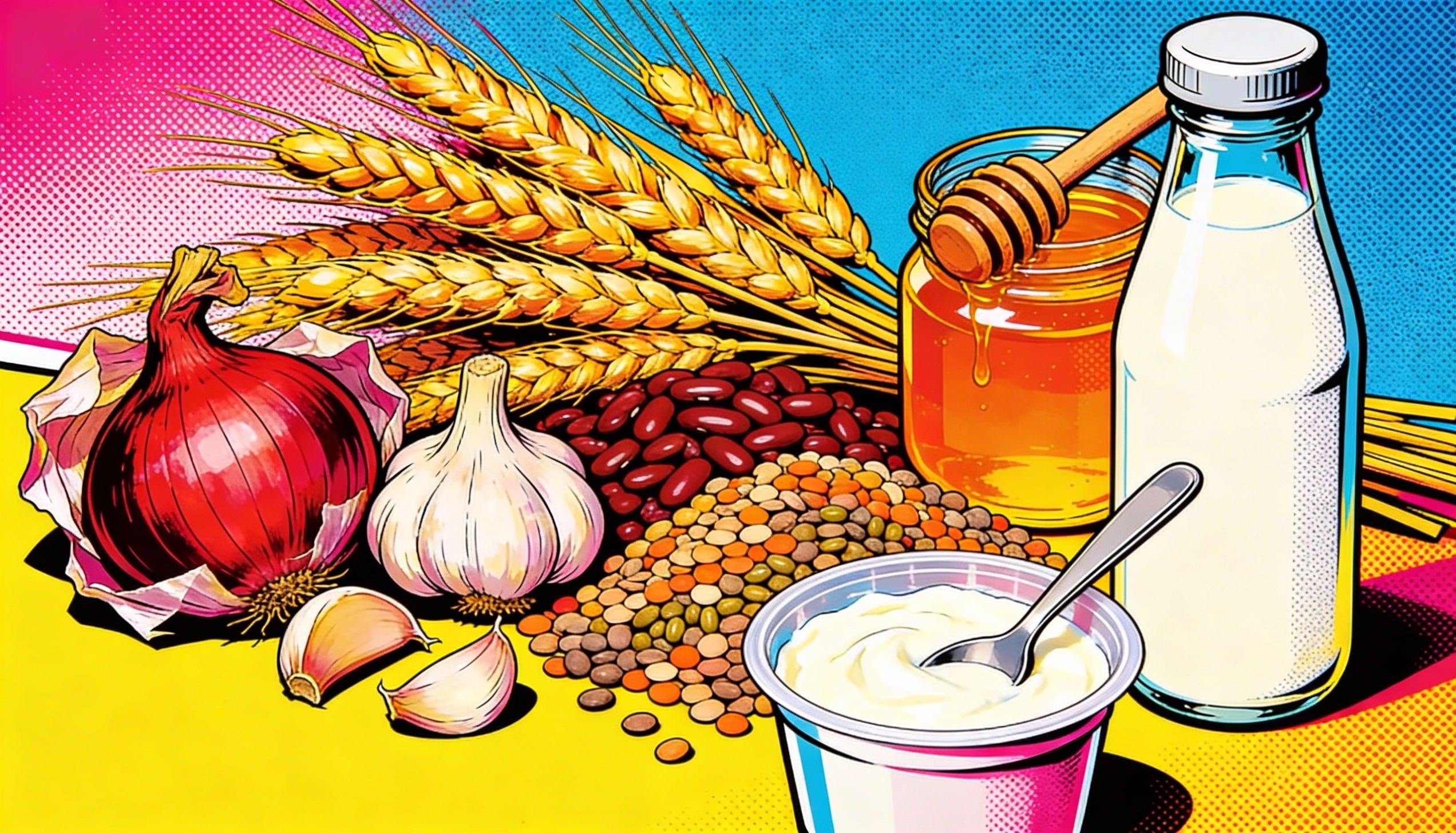
WHAT ARE FODMAPs? 🍎🥛🍞
FODMAPs = fermentable carbohydrates that are poorly absorbed:
🧅 Fructans (wheat, onion, garlic)
🫘 GOS (legumes)
🥛 Lactose (milk, yogurt)
🍯 Excess fructose (fruit, honey)
🍬 Polyols (sorbitol, mannitol)
They increase…
💧 Osmotic water movement into the gut
💨 Gas production via fermentation
➡️ Higher risk of bloating, cramps & diarrhea during exercise
FODMAPs IN SPORTS NUTRITION PRODUCTS 🧃
Many common sports foods are high FODMAPs:
👉 Gels
👉 Bars
👉 Energy drinks
👉 High-fructose carb blends
🔍 up to 60% of athletes consume high-FODMAP products pre-competition
LOW-FODMAP STRATEGY: DOES IT WORK? ✅
Short-term FODMAP restriction…
📉 Reduces bloating, diarrhea & urgency
😌 Improves gut comfort before & during exercise
✅ Effective even in athletes without IBS
Best evidence:
⏰ 24–48 hours pre-exercise
🏆 During competition periods only
WHAT THE RESEARCH SHOWS 🧪
Low-FODMAP diets led to:
⬇️ GI symptom severity
⬇️ Intestinal fermentation
⬇️ Urge to defecate during exercise
Effects seen across…
🏃 Running
🏔️ Ultra-endurance events
🌡️ Heat stress conditions
LONG-TERM LOW-FODMAP ⚠️
Not designed for long-term use
Potential risks if poorly managed:
⬇️ Energy intake
⬇️ Carbohydrate availability
⬇️ Beneficial gut bacteria
🎯 Best approach = targeted, time-limited use
Conclusion
In summary, a short-term low-FODMAP approach can meaningfully reduce GI distress and improve exercise tolerance, but it must be strategic‼️
✅ Consider low-FODMAP 24–48 h pre-race
✅ Maintain high carbohydrate intake using tolerated sources
✅ Trial strategies in training, not race day
✅ Individualise based on symptoms & sport demands
⚠️ Avoid long-term restriction without professional support
Reference
https://pubmed.ncbi.nlm.nih.gov/41599852/
Performance Nutrition Digest is powered by Healthspan Elite ⚡️
Healthspan Elite is a science-led sports nutrition range developed in collaboration with leading experts to support athletic performance, recovery, and health.
Use code: TCDIGEST25 for 25% off at https://www.healthspanelite.co.uk/ 💪


This is a really helpful synthesis, Tom. The way you connect gut physiology, common sports nutrition products, and practical timing makes low-FODMAP strategies feel actionable instead of restrictive. I especially appreciate the emphasis on short-term, targeted use rather than long-term elimination.
Excellent breakdown of the FODMAP-GI symptom connection. The 24-48 hour window for strategic restriction is key here, most atheletes I've worked with try blanket elimination and end up under-fueling. What's underappreciated is that leaky gut from reduced blood flow compounds the FODMAP fermentation issue, basically a double hit during high intensity work. The timing strategy makes way more sense than long-term avoidance.